
The making of a cosmic giant
Each one of us has the potential to experience extraordinary spiritual growth and become a cosmic spiritual giant who walks in profound spiritual authority. Let’s look at the process of supernatural spiritual growth and discover how we can step into the fullness of our spiritual potential.

KC George

Adam was created as an ordinary human being. Yet, during the first few years of his life on Earth, he grew into a cosmic spiritual giant, developing extraordinary spiritual capabilities and possessing a spiritual body so immense that it surpassed the size of planet Earth. This was his state before he was deceived by the devil and experienced the Fall in the garden of Eden.
The Apostle Paul had also grown into a cosmic spiritual giant, possessing extraordinary spiritual power and authority, even to the point of confronting and subduing the forces of the demonic kingdom. His life demonstrates the incredible spiritual potential that can be developed within a human being. And this potential is not limited to apostle Paul. Each one of us has the potential to experience extraordinary spiritual growth and become a cosmic spiritual giant who walks in profound spiritual strength and authority.
But how does this supernatural transformation take place? What enables an ordinary person to grow into extraordinary spiritual authority and power? And how can we experience this transformation in our own lives? Let’s take a closer look at the process of supernatural spiritual growth and discover how we can step into the fullness of our spiritual potential.
The mustard tree
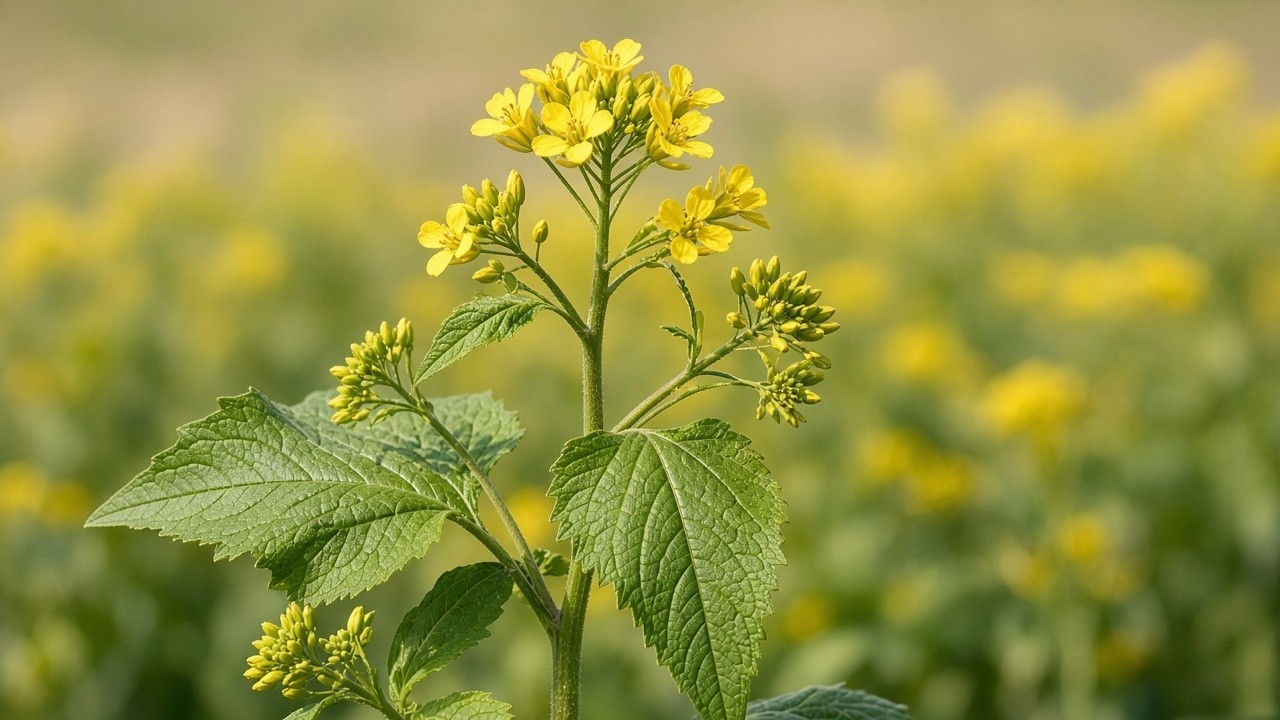
The possibility of supernatural spiritual growth is illustrated in the parable of the mustard seed in Matthew 13:31-32. The parable states “The kingdom of heaven is like a mustard seed, which a man took and planted in his field. Though it is the smallest of all seeds, yet when it grows, it is the largest of garden plants and becomes a tree, so that the birds come and perch in its branches.”
Let’s first consider how a mustard plant is expected to grow when it follows its natural course of development. A typical mustard plant is a small to medium-sized herbaceous annual, not a large shrub or tree. Depending on the species and growing conditions, most cultivated mustard varieties reach a mature height of only about 1 to 5 feet. This is the natural limit of its growth. Yet, the parable of the mustard seed points us to something far beyond the ordinary, a growth that transcends the boundaries of what would naturally be possible.
Instead of remaining a small plant, the mustard seed grows into a massive tree, spreading across a vast area with hundreds of branches, providing a place for birds to perch and find shelter. What begins as something small and ordinary ultimately becomes something immense and extraordinary. This is not merely natural growth; it is supernatural growth. The mustard seed demonstrates the incredible possibility of growth beyond its natural limitations, transforming something small into something far greater than what could have been expected.
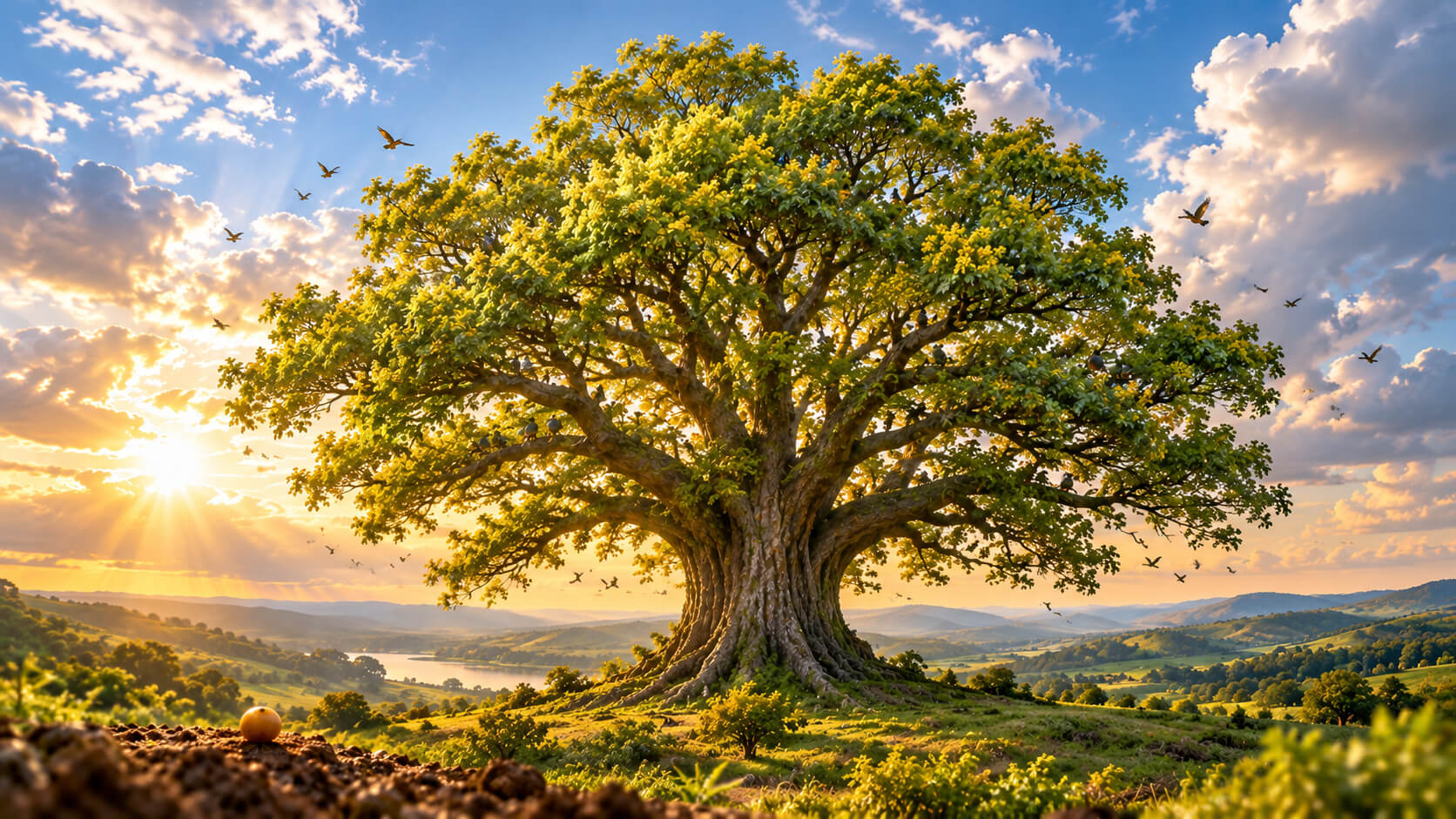
This parable points to a remarkable possibility: that we too can experience supernatural spiritual growth and become cosmic giants; people whose spiritual strength and maturity provide shelter, guidance and support to those who are spiritually weaker.
The Minas
How does this growth actually occur within a believer, and how is the resulting spiritual stature linked to authority in God’s kingdom? The parable of the Minas answers these questions. Let's look at the parable of the Minas in Luke 19:12–27, which gives us a powerful picture of what constitutes spiritual growth and how jurisdictional authority is granted in God’s kingdom.
The parable reads “A man of noble birth went to a distant country to have himself appointed king and then to return. So he called ten of his servants and gave them ten minas. ‘Put this money to work,’ he said, until I come back.” The “man of noble birth” is the Lord Jesus. His journey to a distant country to be appointed king points to his glorification after he was resurrected, when he was exalted and given all authority in heaven and on earth. The “mina entrusted to each servant” refers to the divine nature of Christ deposited within every believer in seed form, as the apostle Peter says, “we have been born again, not of perishable seed, but of imperishable seed”. At our spiritual birth, the divine nature is deposited within us as a seed. But a seed is not meant to remain a seed; it is meant to grow. As we continually yield to God and live according to the divine nature within us, that seed gradually grows. Over time, Christ’s nature becomes increasingly expressed through our thoughts, character, decisions, and actions. The ultimate potential of this growth is nothing less than maturity into the fullness of Christ.
The parable then goes on to describe what happens when the king returns: “Then he sent for the servants to whom he had given the money, in order to find out what they had gained with it.” The king’s return and his evaluation of the servants refers to the Lord Jesus exercising His authority as King and examining what each disciple has done with what was entrusted to him. The first servant came and said: “Sir, your mina has earned ten more.”. The king replied: “Well done, my good servant! Because you have been trustworthy in a very small matter, take charge of ten cities.” This servant represents a disciple in whom the divine nature of Christ has grown significantly. Because he was faithful with what had been deposited within him, he was entrusted with higher jurisdictional authority over ten cities.
The second servant reported: “Sir, your mina has earned five more.” And the king responded: “You take charge of five cities.” This servant likewise represents a disciple who allowed the divine nature of Christ to grow within him, but to a lesser degree than the first servant. Consequently, he receives a lesser jurisdictional authority over five cities.
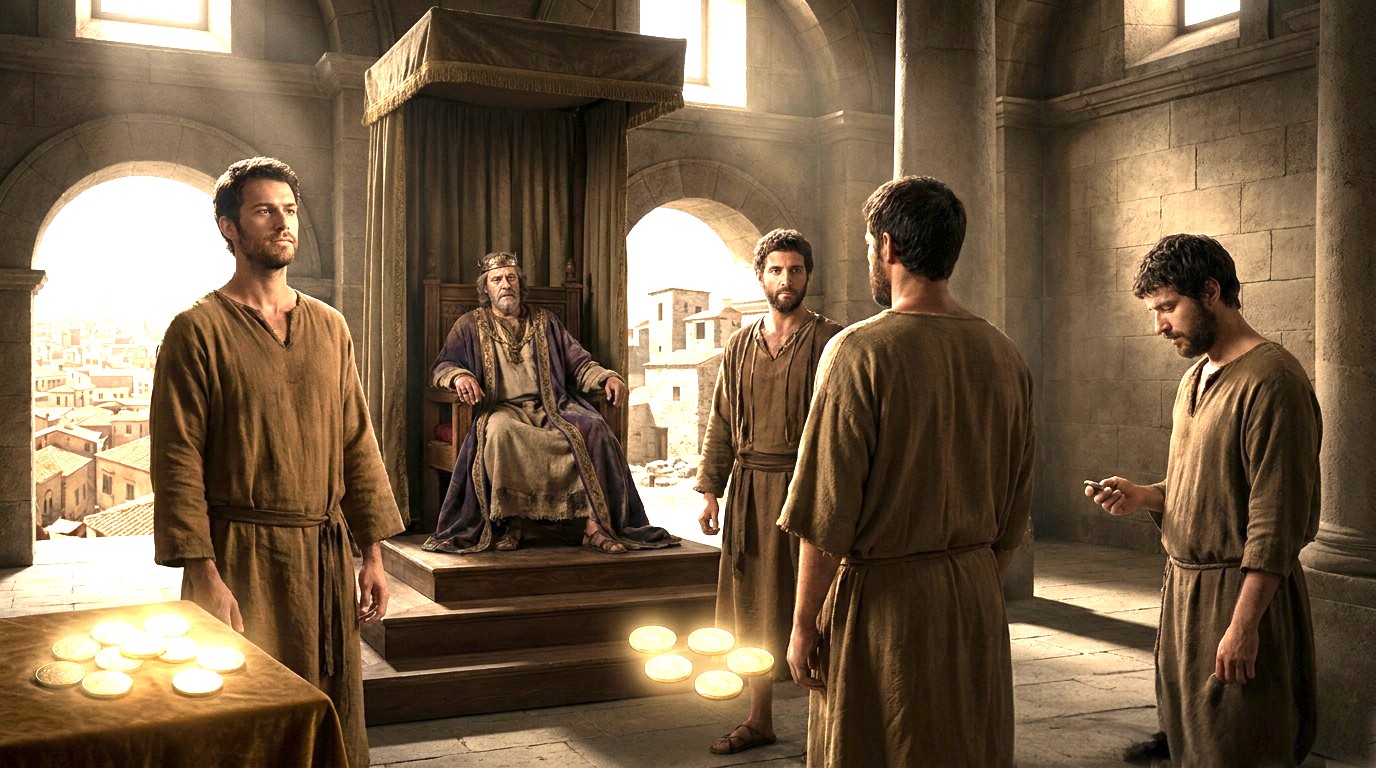
Here is the spiritual principle we can derive: The jurisdictional authority entrusted to us in God’s kingdom is proportional to the measure of Christ’s divine nature that has grown within us. The servants were given the same basic opportunity. What distinguished them was what they did with what they had received. One produced ten additional minas; another produced five. In other words, authority in God’s kingdom is not merely something God gives arbitrarily. It is proportional to how far we have grown in the likeness of Christ. The greater the growth of Christ in a person, the greater the authority that is granted to him, in God's kingdom. What God has deposited within us is meant to grow. As Christ grows within us, God grants us higher and higher jurisdictional authority in his kingdom. The seed gives us the potential, but its growth within us gives us authority in God's kingdom over higher and higher jurisdictions. The growth of Christ within us qualifies us for the authority of Christ that will be manifested through us.
Now let's look at what happened to the third servant. He came before the king and said: “Sir, here is your mina; I have kept it laid away in a piece of cloth”. This servant represents a believer who has received the divine nature of Christ as a gift but did nothing with it. Instead of allowing the divine nature of Christ within him to grow and transform him into the likeness of Christ, he simply preserved what he had received without producing any spiritual growth. The problem was not that he had been given nothing. He had received the same mina as the others. The problem was that he failed to put it to work. The king’s response is striking: “Take his mina away from him and give it to the one who has ten minas”. This reveals the serious consequence of refusing to grow in the likeness of Christ. The divine nature that was freely entrusted to a believer is ultimately taken away from him. Notice also that the third servant receives no city. Unlike the first two servants, he is given no jurisdictional authority in God's kingdom. This means, those who do not make any progress in growing in the likeness of Christ have no jurisdictional authority in God's kingdom.
Progressive authority
We can now explore the progressive levels of jurisdictional authority that become available as a believer continues to grow in the likeness of Christ; levels that ultimately extend to cosmic and universal scales, producing “cosmic spiritual giants” the mustard seed parable foreshadowed.
God is the supreme authority over the entire physical universe. He is also sovereign over every spiritual realm that exists; including the heavenly realms and the realms occupied by spiritual powers of darkness. However, as seen in the parable of the minas, God intends to share his authority with those who grow into the likeness of Christ. As we continually allow the divine nature of Christ within us to be developed, God entrusts us with jurisdictions over increasingly greater realms; both physical and spiritual. The ultimate destiny of this growth is extraordinary. If we were to reach the full measure of growth; the fullness of Christ, God would have no hesitation in entrusting us with jurisdiction over all the realms under His rule. We can see a picture of this principle in the life of Joseph. King Pharaoh appointed Joseph as the second in command over Egypt and placed the entire kingdom under his authority.
A disciple who begins as spiritually weak and limited can, through the growth of Christ within him, ultimately become a powerful spiritual being of immense stature and authority
There is another remarkable dimension to this. Angels were created with a spiritual stature and capacity that surpasses that of human beings. Scripture describes humanity as being made “a little lower than the angels”. Yet our present condition does not define our ultimate potential. We were created lower, but are created to grow. Through the transforming work of Christ, a human being has the potential to develop spiritually far beyond the stature with which he was originally created. As the divine nature of Christ grows within us, we are granted increasingly higher spiritual stature and authority. This means that the ultimate destiny of a fully grown believer is not merely to become a slightly improved version of the person he is today. If we reach the ultimate growth, our position in the spiritual hierarchy would be extraordinarily high; far beyond the rank of angels and demonic powers. We would possess a vastly greater spiritual rank and would be entrusted with a correspondingly greater authority.
Consider the implications: a disciple who begins as spiritually weak and limited can, through the growth of Christ within him, ultimately become a powerful spiritual being of immense stature and authority. We begin small; but we are not destined to remain small. The seed of Christ within us carries a potential far greater than our present condition suggests. As that seed grows into maturity, so does the measure of authority that God can entrust to us.
Now let's look at different levels of jurisdictional authority one can receive, as we keep growing in the likeness of Christ. Depending on our calling, we can grow into one of these levels of authorities. The twenty-four elders are specifically called to the two highest ranks—authority over the entire universe and over all spiritual realms. Those entrusted with jurisdictions over Laniakea Supercluster and beyond stand as true cosmic spiritual giants.
The secret place
While cosmic spiritual giants are granted vast jurisdictional authority and elevated spiritual stature according to their growth in Christ, they may still lack the spiritual capacity required to govern the immense universal structures placed under their authority. How, then, do they receive the spiritual capacity proportional to their calling?
The Secret Place of the Most High is a spiritual realm, dedicated to imparting the divine capacity required by those entrusted with jurisdictions far greater than their natural ability could sustain
They are capacitated in the Secret Place of the Most High. Psalm 91:1 declares, “He that dwelleth in the secret place of the most High shall abide under the shadow of the Almighty.” This is not just a poetic metaphor. It points to a distinct spiritual realm, the Secret Place of the Most High, specially dedicated to imparting the divine capacity needed by those entrusted with jurisdictions far greater than their natural ability could sustain. King David himself knew this place and drew from it the capacity to rule Israel under God. This realm exists far beyond the reach of planet Earth and outside the jurisdiction of every demonic kingdom. Those who enter it experience unhindered union with the Father, the Son, and the Holy Spirit. Here the impartation of divine capacity flows without resistance. Here the soul is free from the interferences, distractions, and oppressive influences that mark life on Earth. In this realm, a person can fully detach from the physical reality of the planet.
It was in this realm that King David received the spiritual capacity to reign. In the same way, those called to govern galaxies, superclusters, and ultimately the entire universe return to this secret place to be capacitated, strengthened, and fully equipped for the weight of their assignment. The Secret Place of the Most High is not a distant theological idea. It is the indispensable training ground and supply center for every cosmic spiritual giant. Without it, authority remains theoretical. Within it, the capacity of heaven itself is transferred.
Kingdom promotions
As we make progress in growing in the likeness of Christ, God promotes us into greater levels of jurisdictional authority at times He has appointed. Consider how a corporation operates. An employee may begin with a small role and a small responsibility. As that person demonstrates greater competence, faithfulness, and productivity, the organization may promote them to positions of greater responsibility and authority. With each promotion, the scope of their influence expands. God’s kingdom follows a similar principle. As we become increasingly conformed to the likeness of Christ, God entrusts us with progressively greater levels of authority, position, and jurisdiction.
These promotions are not something we can demand for ourselves. The timing and nature of each promotion are determined in heaven and manifested in our lives on earth. God knows when we are ready for the next level, and He determines when to entrust us with a greater measure of authority. But when a promotion comes, we must recognize it, receive it, and take hold of the authority and jurisdiction that God has entrusted to us. A promotion is not merely a change in title or status; it represents a new opportunity to exercise the authority of Christ, over the given jurisdiction.
As a spiritual mentor to many, I have had the privilege of witnessing this process unfold in the lives of several individuals. I have witnessed Lord Jesus promote them from lower levels of jurisdictional authority into progressively greater levels. I have also been deeply honored to witness a few of my mentees grow to become cosmic spiritual giants. God has entrusted them with jurisdictional authority extending over vast cosmic structures. Watching this transformation has been one of the greatest joys of my journey as a spiritual mentor.
Every promotion is a result of our growth in Christ. And every new level of authority carries a greater responsibility to be like Christ and exercise his authority over the given jurisdiction. So we should not desire promotion; but be focused on being transformed in the likeness of Christ.
As we become increasingly conformed to the likeness of Christ, God entrusts us with progressively greater levels of authority, position and jurisdiction.
Let the seed grow
I personally believe many more people in this generation would grow to become cosmic spiritual giants as we have entered the end of the age. Let us make transformation into the likeness of Christ our highest pursuit, as Romans 8:29 declares: “For those God foreknew he also predestined to be conformed to the image of his Son, that he might be the firstborn among many brothers and sisters.”
As Christ is formed more fully within us, let us press forward from one level of glory to another, allowing the Lord Jesus to entrust us with increasingly greater levels of jurisdictional authority. Let us not be satisfied with where we are today or settle for a fraction of the spiritual potential God has placed within us. Let us keep growing, keep yielding, keep pursuing Christ, and keep advancing until we attain “the whole measure of the fullness of Christ,” as declared in Ephesians 4:13. Our calling is not merely to begin with the seed, but to see that seed grow into its full and glorious potential. Let us allow the mustard seed planted within us by Lord Jesus to grow into a massive tree so that it provides shelter to many.